Actualités
16 April 2026

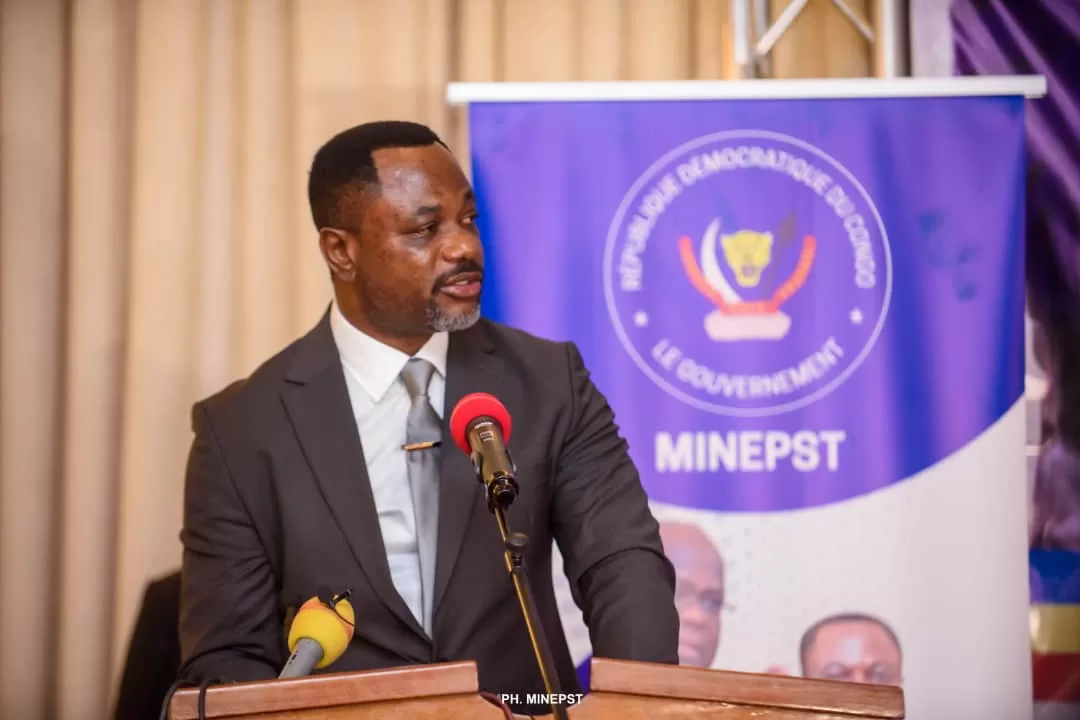
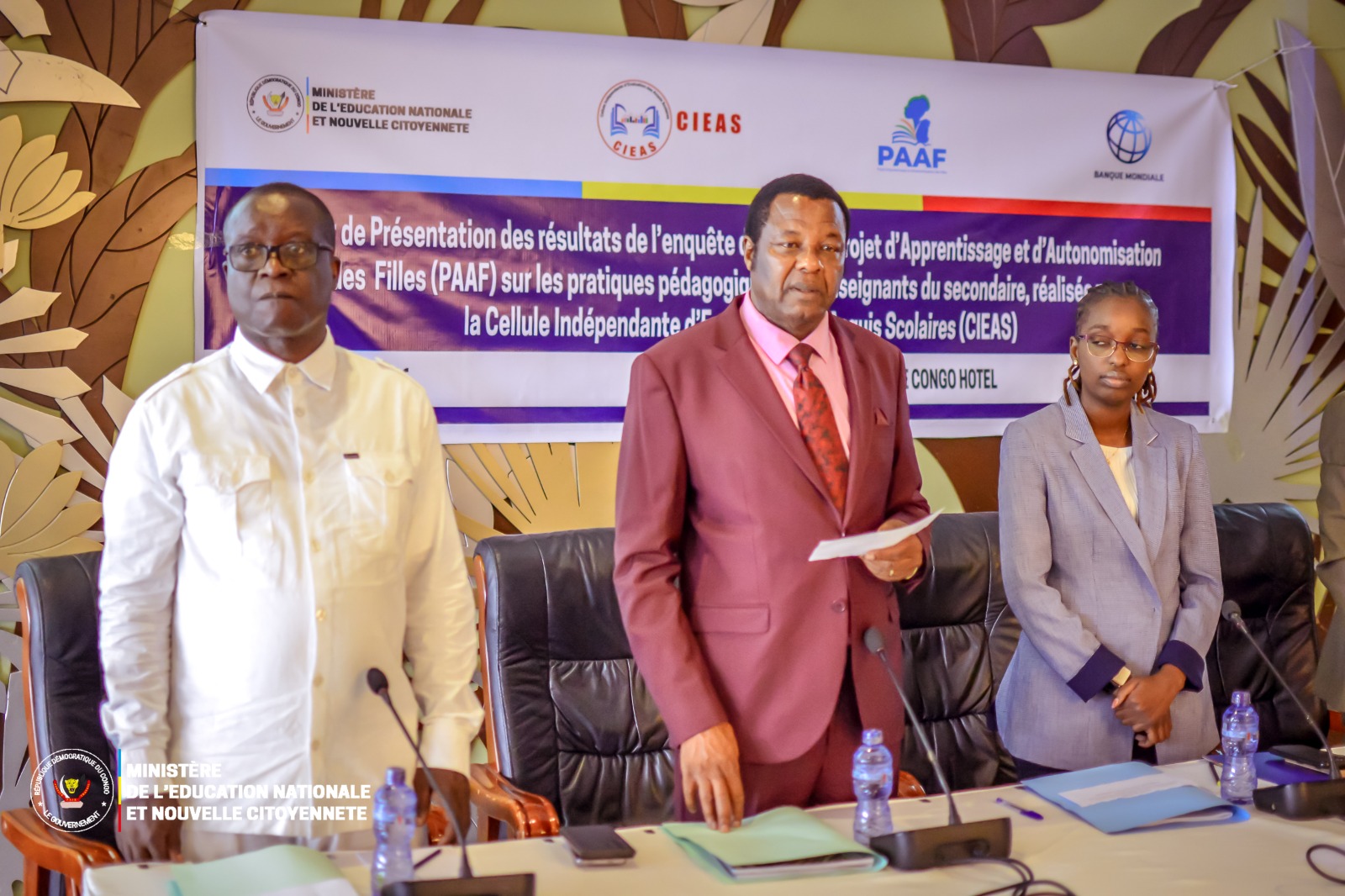
It was with a sense of satisfaction that the Minister of Primary, Secondary, and Technical Education (EPST), Professor Tony Mwaba Kazadi, closed the 2023 Annual Performance Review (RAP) on Thursday, August 24, in the Via Nova Hall in the Gombe district. The theme of this three-day conference was: improving the quality of education through good governance and accountability.
Minister Tony Mwaba began by reminding participants from all provinces of the country that the Annual Review consists of evaluating the performance of the past school year and planning for the next school year. He noted that these meetings provide an opportunity for self-assessment to facilitate improvement.
"Everyone, in their own capacity, must know what they have done in relation to the instructions that were given, and also know where they fell short, in order to move forward," he said.
The head of the EPST then acknowledged that things are starting to move on the ground. He was pleased to note that some provincial officials are working tirelessly, keeping pace with the work he has spearheaded at the national level as part of the turnaround of his subsector.
"Through the media and even in the various reports we receive, officially or unofficially, many provincial officials who are in this room are now the pride of our subsector. We can say whatever we want, but it must be understood that much has changed in our subsector, and this is thanks to the momentum that has been generated and the work of everyone on the ground. This proves that the work we are doing is having an impact and that we are heading in the right direction. Therefore, I will not take my foot off the gas," he stated.
On the other hand, Professor Tony Mwaba strongly criticized the behavior of those who persist in anti-values, while some officials are waking up and complying with official instructions. He announced that soon there will be some adjustments because he wants to achieve the best possible results, which is also demanded by the Head of State and the Sama Lukonde government.
Regarding the recommendations made on access, quality, and good governance, the head of the EPST called on stakeholders in the sub-sector to get to work as soon as they return to their provinces, in light of everyone’s responsibilities.
"Let’s do more, let’s do better. I urge you to make even greater sacrifices. Move forward to deliver the expected results. The 2023–2024 school year will therefore be unlike any other. Implement the itinerancy program and submit reports, because through these efforts, you will help us resolve the challenges facing educational provinces on the ground,” said Professor Tony Mwaba.
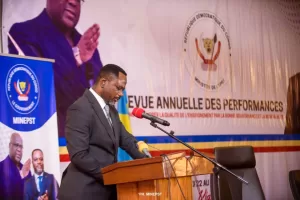
Finally, the minister announced a national ceremony to be held very soon to mark the handover of schools built under the 145-territory development program—educational institutions that will enable Congolese children to study in good conditions.
Speaking before the head of the EPST, the rapporteur for the proceedings highlighted several challenges facing the sub-sector. He mentioned: decentralization; planning (particularly at the school level); the profile of staff members; and the fight against negative values.
Regarding the recommendations, he emphasized that they were formulated around three key areas. In terms of access, it was decided, among other things, to: reactivate pre-primary classes; continue the “No School Without Desks” campaign; intensify efforts to raise parents’ awareness about the importance of enrolling their children in school; enforce and publicize the decree setting school fees for secondary education; and expose and punish those responsible for illegal fee collection.
Regarding quality: provide schools with textbooks and teaching materials in line with the curriculum; require all schools to use national languages in instruction; mobilize substantial financial resources for the organization of continuing education for teachers and inspectors; incentivize inspectors’ work through the payment of bonuses; ensure payment for teachers who have not been paid; intensify field visits; provide inspectors with means of mobility in the field; organize competitive exams by level and across different disciplines; expand technical elective programs and complete pending curricula.
In terms of governance: widely implement the public-private partnership agreement; standardize teachers’ salary scales by eliminating salary zones; pay schools and teachers in the N.P. and N.U. categories; secure EPST land through property titles; restructure primary schools in response to the effects of free public primary education; increase the education budget; make the school zoning map widely available to enable rational management of educational resources; build schools, reduce overcrowded classes, hire new staff, and ensure their compensation.
Christian BELLA
Filter by structure or document type to find the right content.

For any report or information related to national education and new citizenship, call 178