Actualités
16 April 2026
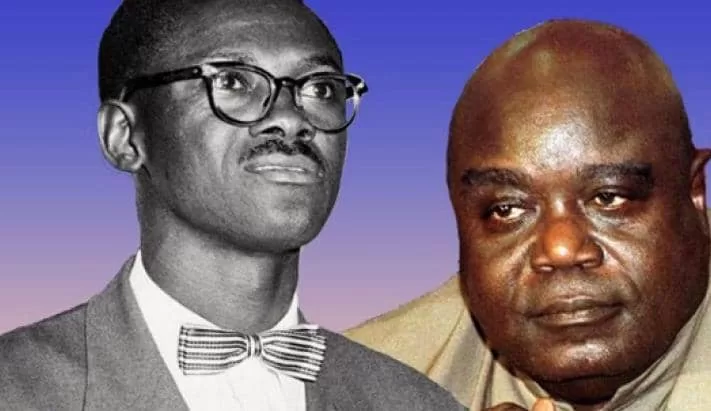
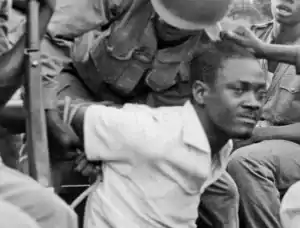 The latter is known for his unwavering patriotism, demonstrated through his struggle from 1956 to 1961 for his country’s political and economic independence from the colonizers in particular and the West in general.
This struggle is perfectly summarized in a resounding final letter addressed to his wife, Pauline Opango, from his prison cell shortly before his death.
"History will one day have its say, but it will not be the history taught in Brussels, Washington, Paris, or at the United Nations, but rather the history taught in countries freed from colonialism and its puppets. Africa will write its own history, and north and south of the Sahara, it will be a history of glory and dignity. "Do not mourn me, my companion. I know that my country, which suffers so much, will know how to defend its independence and its freedom," the document reads.
This year marks the 63rd anniversary of the death of Patrice Emery Lumumba on January 16, 1961, near Elisabethville (Lubumbashi) in Katanga.
Born Élias Okit'Asombo, Patrice Emery Lumumba was born on July 2, 1925, in Onalua. This Congolese statesman served as Prime Minister from June to September 1960. He died after being doused in acid.
He was elevated to the rank of national hero by his former close associate, General Mobutu Seseko.
"It was because he spoke of economic independence that he was killed," Mobutu said on June 30, 1966, during the celebration of the country’s 6th anniversary of independence.
"We want to restore his memory. Leopold III Boulevard will be renamed and will henceforth bear his name. A monument in his memory will be erected at the entrance to the city on the road to Ndjili," he continued.
Kabila: "Never betray the Congo"
The latter is known for his unwavering patriotism, demonstrated through his struggle from 1956 to 1961 for his country’s political and economic independence from the colonizers in particular and the West in general.
This struggle is perfectly summarized in a resounding final letter addressed to his wife, Pauline Opango, from his prison cell shortly before his death.
"History will one day have its say, but it will not be the history taught in Brussels, Washington, Paris, or at the United Nations, but rather the history taught in countries freed from colonialism and its puppets. Africa will write its own history, and north and south of the Sahara, it will be a history of glory and dignity. "Do not mourn me, my companion. I know that my country, which suffers so much, will know how to defend its independence and its freedom," the document reads.
This year marks the 63rd anniversary of the death of Patrice Emery Lumumba on January 16, 1961, near Elisabethville (Lubumbashi) in Katanga.
Born Élias Okit'Asombo, Patrice Emery Lumumba was born on July 2, 1925, in Onalua. This Congolese statesman served as Prime Minister from June to September 1960. He died after being doused in acid.
He was elevated to the rank of national hero by his former close associate, General Mobutu Seseko.
"It was because he spoke of economic independence that he was killed," Mobutu said on June 30, 1966, during the celebration of the country’s 6th anniversary of independence.
"We want to restore his memory. Leopold III Boulevard will be renamed and will henceforth bear his name. A monument in his memory will be erected at the entrance to the city on the road to Ndjili," he continued.
Kabila: "Never betray the Congo"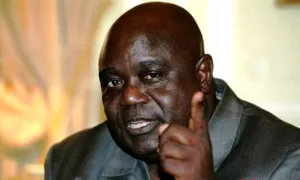 As for the second, Laurent Désiré Kabila, his elevation to the rank of national hero was decided by 225 provisional parliamentarians appointed in 2000 by Kabila himself following his coup d’état against his predecessor, the Marshal of Zaire, Joseph Désiré Mobutu Seseko.
M'zee Laurent Désiré Kabila owes his elevation to his strong sense of nationalism, reflected in his fight for his country’s territorial integrity in the face of the expansionist tendencies of neighboring Rwanda and Uganda, supported by the international community.
History at the EPST teaches that the author of the FARDC motto: "Never betray the Congo" was assassinated on January 17, 2001, in Kinshasa, by one of his bodyguards, Rachidi Mizele, with the complicity of the aforementioned neighboring states in particular.
Students must keep the flame of nationalism alive
As for the second, Laurent Désiré Kabila, his elevation to the rank of national hero was decided by 225 provisional parliamentarians appointed in 2000 by Kabila himself following his coup d’état against his predecessor, the Marshal of Zaire, Joseph Désiré Mobutu Seseko.
M'zee Laurent Désiré Kabila owes his elevation to his strong sense of nationalism, reflected in his fight for his country’s territorial integrity in the face of the expansionist tendencies of neighboring Rwanda and Uganda, supported by the international community.
History at the EPST teaches that the author of the FARDC motto: "Never betray the Congo" was assassinated on January 17, 2001, in Kinshasa, by one of his bodyguards, Rachidi Mizele, with the complicity of the aforementioned neighboring states in particular.
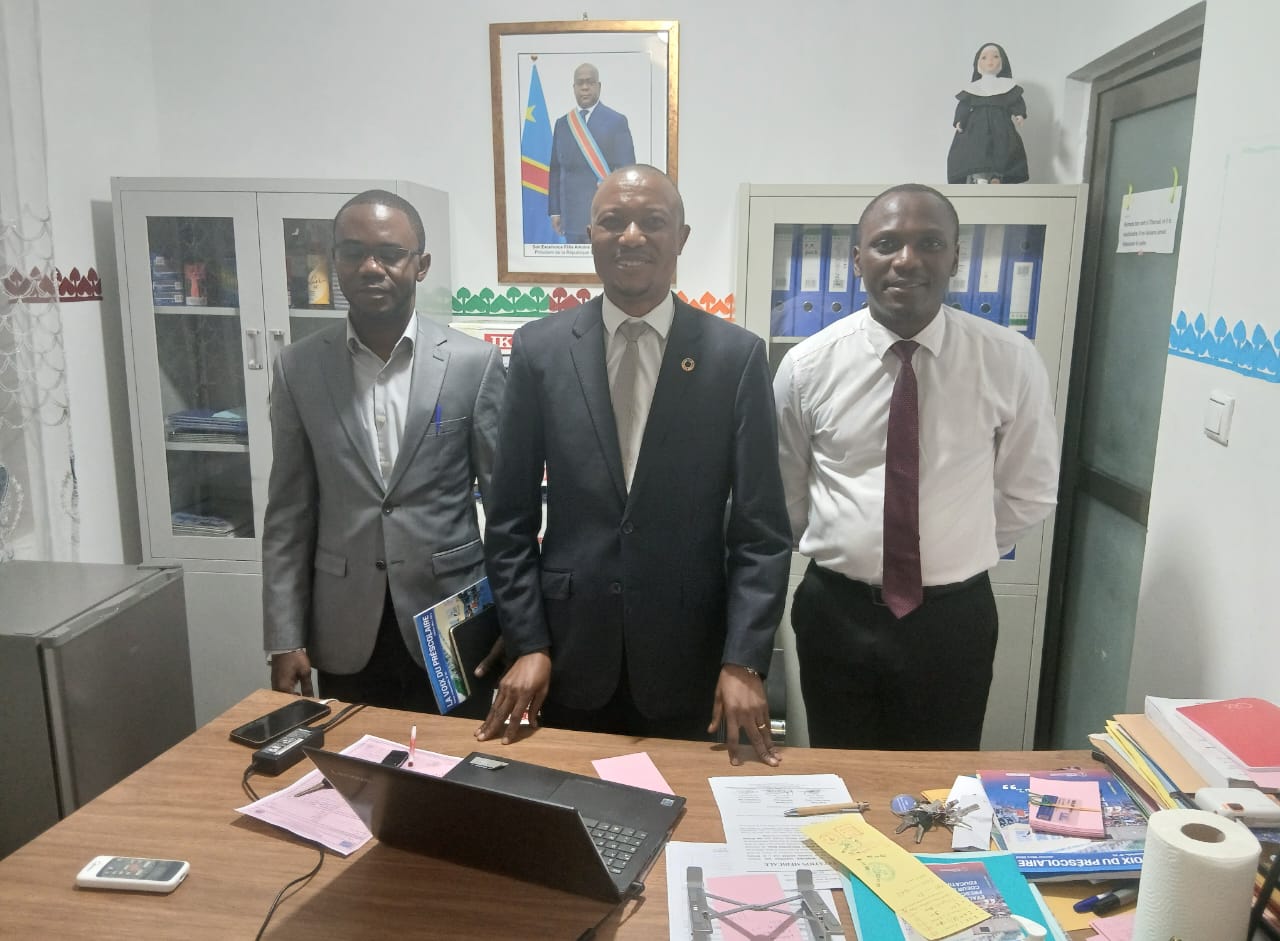
Students must keep the flame of nationalism alive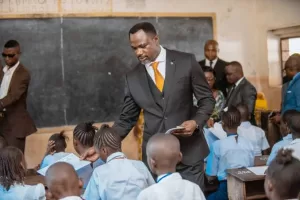 In an effort to pass on and perpetuate this flame of nationalism from Congolese national heroes, Minister Tony Mwaba has instructed educational authorities since 2022 to restore patriotic rituals such as the salute to the flag and the display of the head of state’s portrait in schools.
The goal is to encourage students to engage in relationships and perform acts that demonstrate their attachment to and love for their homeland.
“Teachers should live out civic and moral education with their students rather than merely teaching it, with a view to bringing about a complete transformation of our society,” the minister stated in his memo to education authorities.
Moïse Dianyishayi
In an effort to pass on and perpetuate this flame of nationalism from Congolese national heroes, Minister Tony Mwaba has instructed educational authorities since 2022 to restore patriotic rituals such as the salute to the flag and the display of the head of state’s portrait in schools.
The goal is to encourage students to engage in relationships and perform acts that demonstrate their attachment to and love for their homeland.
“Teachers should live out civic and moral education with their students rather than merely teaching it, with a view to bringing about a complete transformation of our society,” the minister stated in his memo to education authorities.
Moïse Dianyishayi
Filter by structure or document type to find the right content.

For any report or information related to national education and new citizenship, call 178