Actualités
16 April 2026
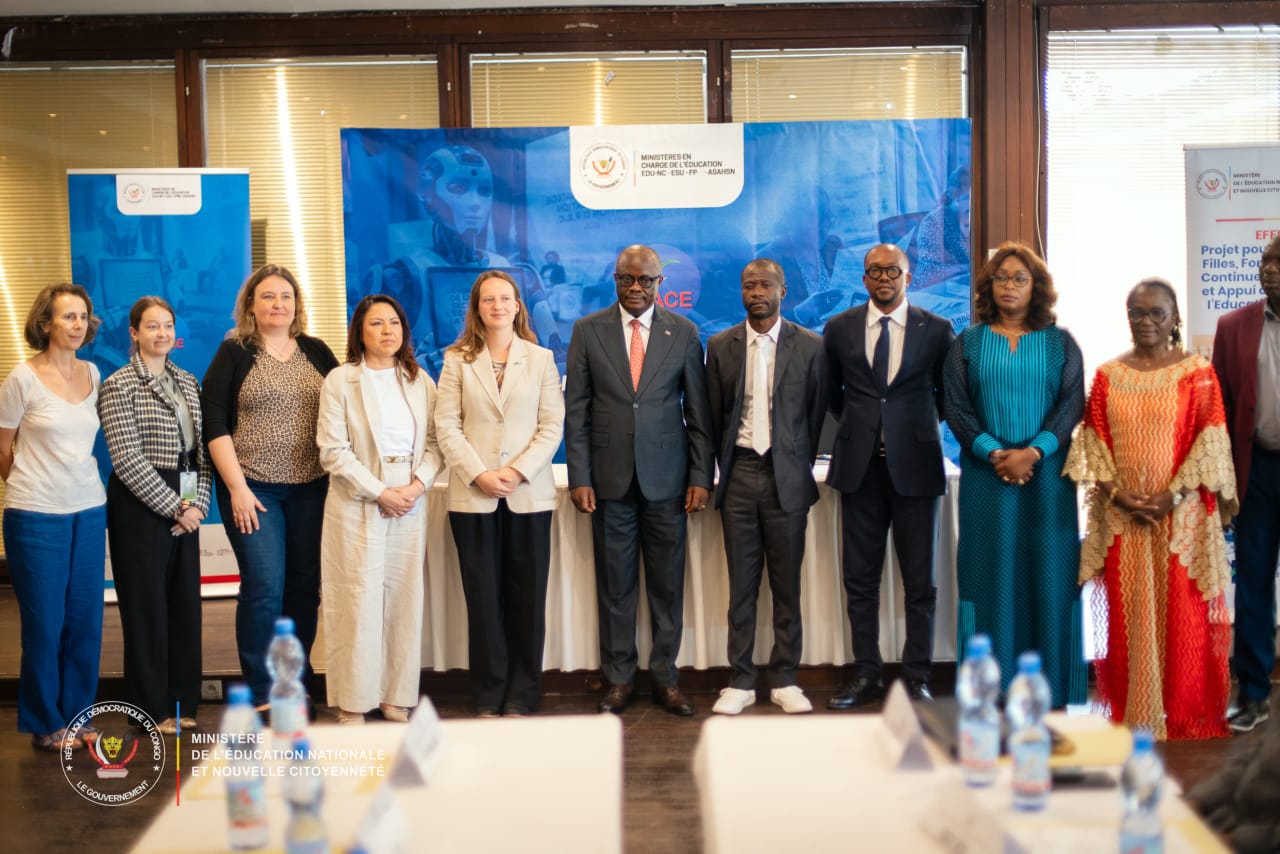
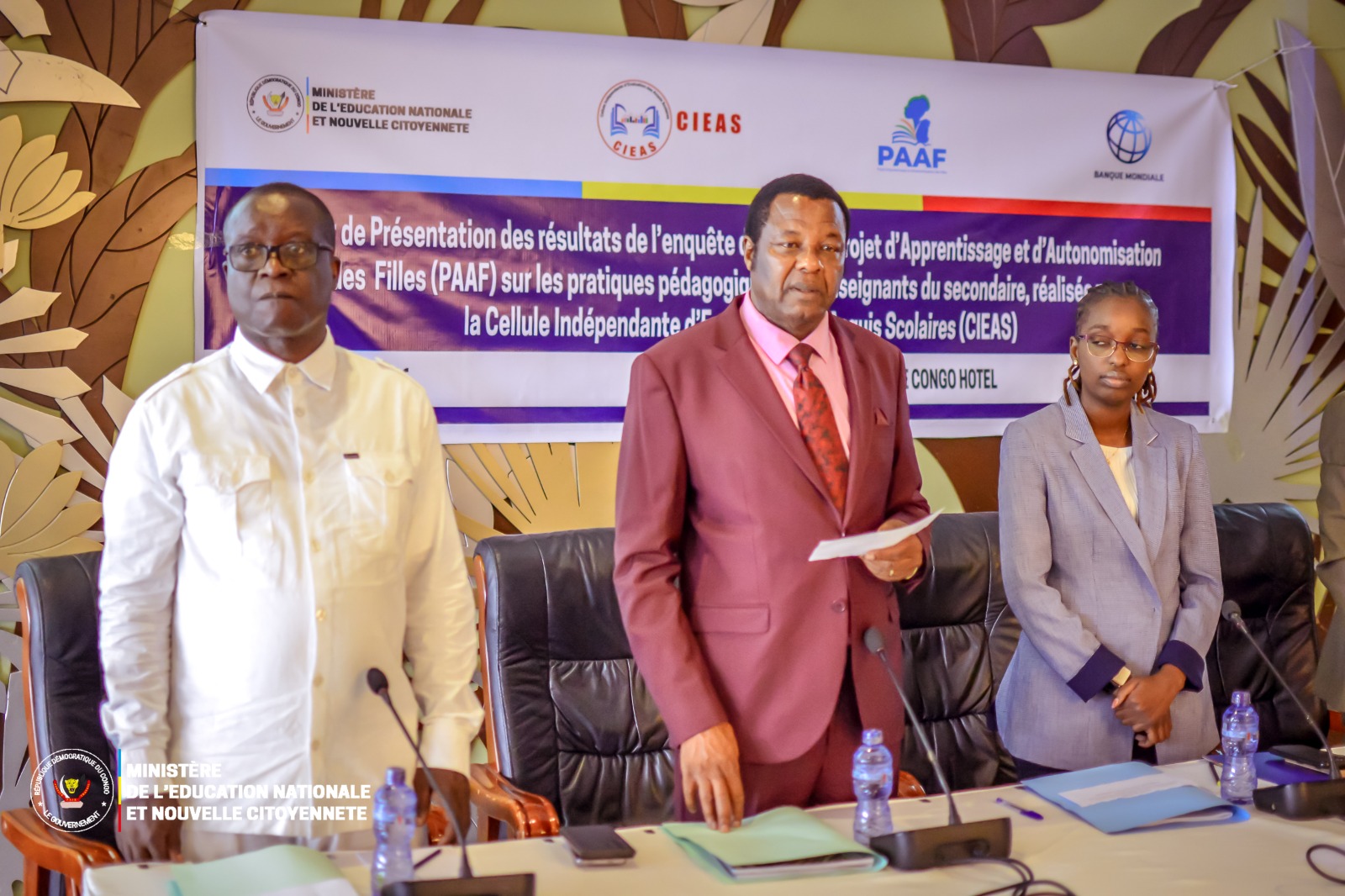
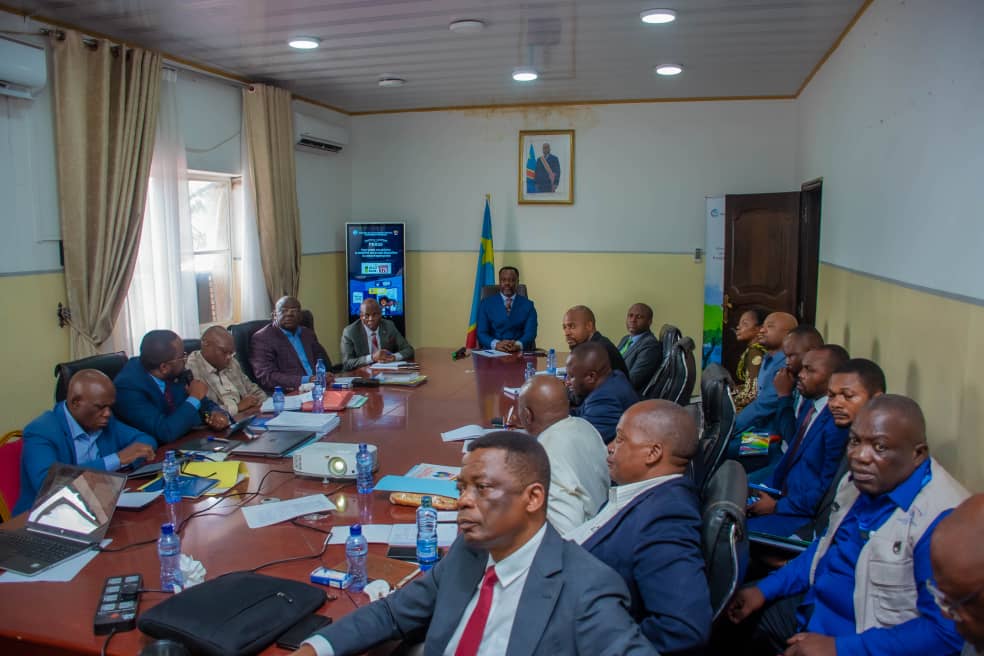 The aim was to review the progress of implementing the reforms supported by PERSE, following their identification in the 2016–2025 Sectoral Strategy for Education and Training to strengthen the Congolese education system.
“We were impressed by the interest His Excellency the Minister has shown in these reforms. I take away one thing he said: disbursement is very important for the country, which needs the resources, but it is not an end in itself. It is just as important that the education system be strengthened, transformed, and developed," said Professor Valère Munsya, PERSE Coordinator.
The aim was to review the progress of implementing the reforms supported by PERSE, following their identification in the 2016–2025 Sectoral Strategy for Education and Training to strengthen the Congolese education system.
“We were impressed by the interest His Excellency the Minister has shown in these reforms. I take away one thing he said: disbursement is very important for the country, which needs the resources, but it is not an end in itself. It is just as important that the education system be strengthened, transformed, and developed," said Professor Valère Munsya, PERSE Coordinator.
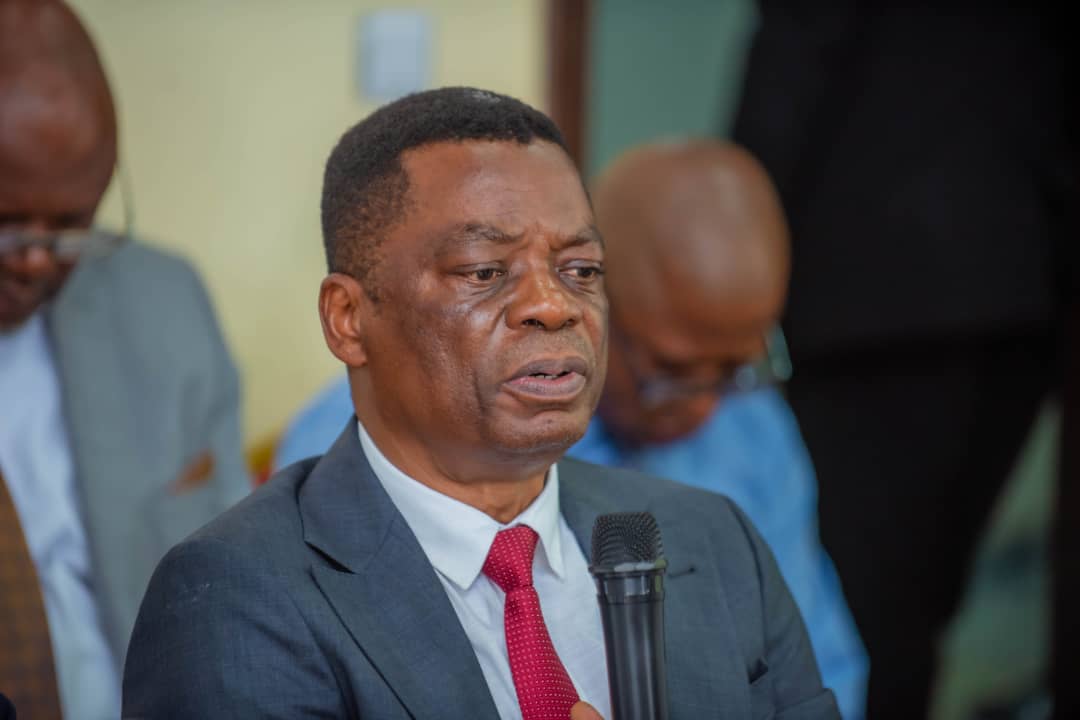 In presenting the project, Professor Valère indicated that once the objectives are met, PERSE will receive direct support from the World Bank in the amount of 800 million U.S. dollars, of which 700 million dollars will be deposited into the public treasury account. He noted that the $100 million will be allocated as follows: $15 million to the United Nations Population Fund (UNFPA) to combat gender-based violence (GBV). And $85 million to the departments responsible for implementing the reforms initiated to sustain and consolidate free public primary education.
The PERSE Coordinator believes that the presentation by the departments involved in the reforms aims to provide the necessary messaging to ensure political ownership of these reforms. Because, he explains, no reform can succeed without political support from the government. Consequently, Professor Valère Munsya recommended that Minister Tony Mwaba take ownership of these various reforms, which are being managed by five departments within the EPST’s central administration. These include the Department of Education Information and Management (DIGE); DINACOPE, formerly SECOPE; the Department of School Administration (DAS); the Directorate of Training (DIFOR); the Directorate of Human Resources (DRH); and the Administrative and Financial Directorate (DAF).
Each director was invited to present their reform, outlining the issues, objectives, challenges to be addressed by each reform, and potential solutions.
In presenting the project, Professor Valère indicated that once the objectives are met, PERSE will receive direct support from the World Bank in the amount of 800 million U.S. dollars, of which 700 million dollars will be deposited into the public treasury account. He noted that the $100 million will be allocated as follows: $15 million to the United Nations Population Fund (UNFPA) to combat gender-based violence (GBV). And $85 million to the departments responsible for implementing the reforms initiated to sustain and consolidate free public primary education.
The PERSE Coordinator believes that the presentation by the departments involved in the reforms aims to provide the necessary messaging to ensure political ownership of these reforms. Because, he explains, no reform can succeed without political support from the government. Consequently, Professor Valère Munsya recommended that Minister Tony Mwaba take ownership of these various reforms, which are being managed by five departments within the EPST’s central administration. These include the Department of Education Information and Management (DIGE); DINACOPE, formerly SECOPE; the Department of School Administration (DAS); the Directorate of Training (DIFOR); the Directorate of Human Resources (DRH); and the Administrative and Financial Directorate (DAF).
Each director was invited to present their reform, outlining the issues, objectives, challenges to be addressed by each reform, and potential solutions.
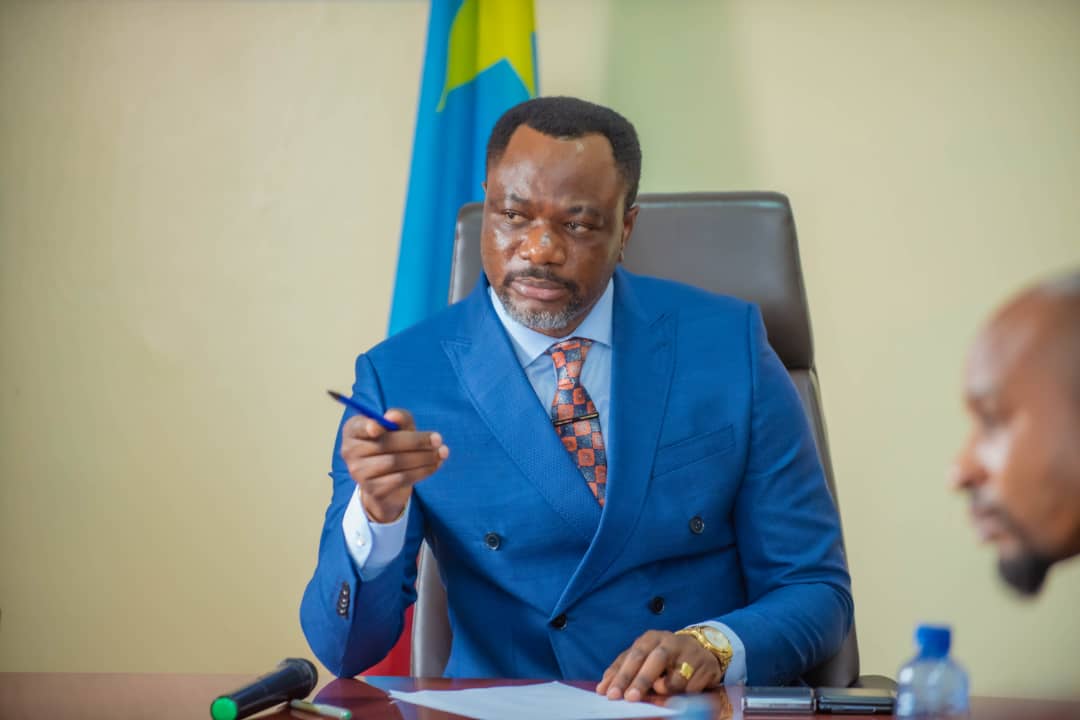
 To ensure ownership of this assessment with a view to its political implementation, the Minister of EPST, Professor Tony Mwaba Kazadi, asked several questions and provided specific guidelines for the implementation of the Equity and Educational System Strengthening Project, which must incorporate the national character of the Republic’s government objectives into the vision of the Head of State, Félix-Antoine Tshisekedi Tshilombo.
Christian BELLA
To ensure ownership of this assessment with a view to its political implementation, the Minister of EPST, Professor Tony Mwaba Kazadi, asked several questions and provided specific guidelines for the implementation of the Equity and Educational System Strengthening Project, which must incorporate the national character of the Republic’s government objectives into the vision of the Head of State, Félix-Antoine Tshisekedi Tshilombo.
Christian BELLA
Filter by structure or document type to find the right content.

For any report or information related to national education and new citizenship, call 178